Loading your guide…
Yesterday the Eye Didn't Sleep
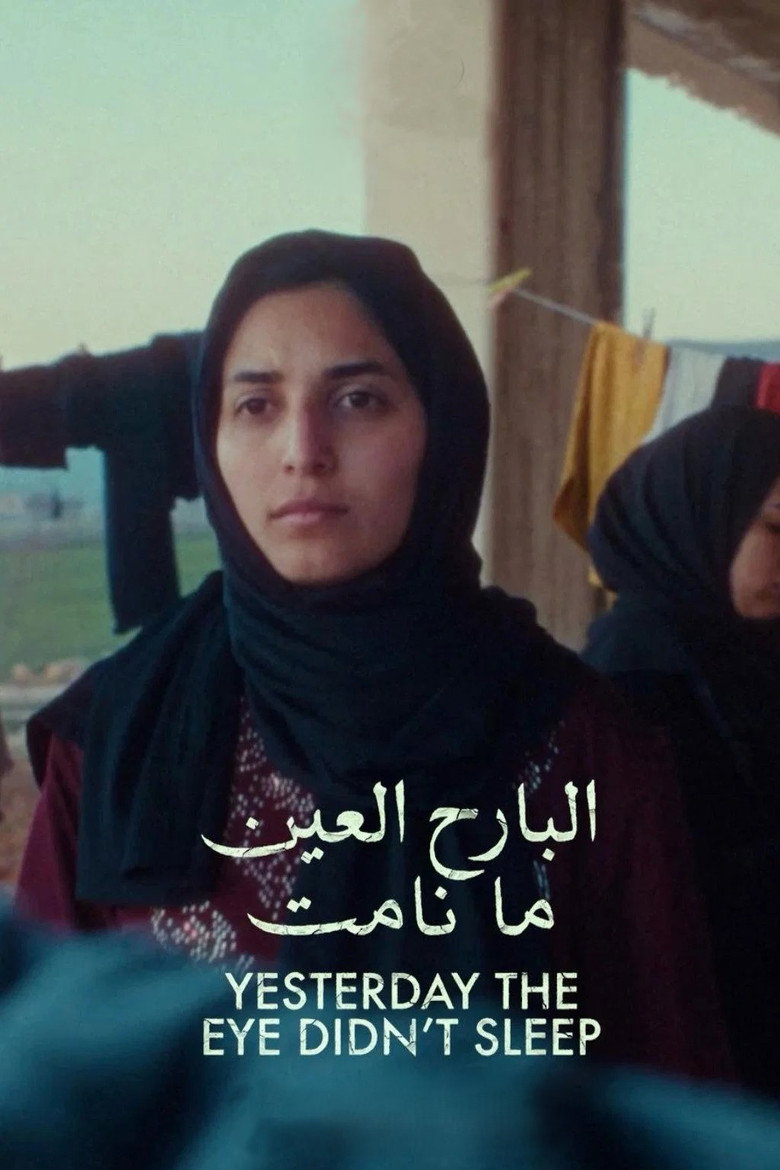
Movie (2026)
In a Bedouin village on the Lebanon–Syria border, a burned truck sets off a hunt for Gamra, blamed for burning her lover’s car. As her cousin searches for her, he accidentally kills a man from a rival clan, sparking a blood feud. His sisters are traded for peace. Will their sacrifice end the violence, or ignite a war across the village?
Would this suit your child?
Tell us their age and what you’d like a heads-up about. We’ll highlight the relevant parts of this guide.
Your preferences highlight the guidance. They never hide warnings or change the ratings.
Content at a glance
More filled segments mean stronger content.
Sex & Nudity
The film focuses on traditional social structures where romantic interactions are highly restricted. Any romantic tension remains subtle and cultural rather than sexual in nature.
Violence & Gore
The plot centers on a blood feud and accidental death, leading to depictions of realistic combat, revenge-driven physical conflicts, and the grim consequences of tribal warfare.
Profanity
Language is generally restrained by cultural norms, though infrequent usage of terms like "h*ll" and "d*mn" occurs during moments of heated confrontation and tribal disputes.
Alcohol, Drugs & Smoking
Occasional scenes of social smoking are present, reflecting the regional setting and customs of the characters in the village environment.
Frightening Scenes
The film features high-stakes psychological tension and the distressing prospect of forced sacrifice, creating a pervasive sense of dread and emotional intensity throughout the narrative.
Key Insights
Quick summary and important considerations
This story explores how a community deals with disagreements and the difficult choices people face when tradition conflicts with individual rights.
Content Warnings
Violence
Forced marriage
Death
Detailed Analysis
In-depth insights for parents and educators
What Parents Need to Know
The film contains depictions of physical conflict, fatal violence, and the thematic element of women being traded as bargaining chips to resolve feuds.
What Kids Can Learn
Viewers can observe the human impact of systemic instability and the importance of conflict resolution over escalation.
Key Topics Discussed
Social justice
Cultural traditions
Consequences of violence
Why Parents Might Like It
It provides a grounded, challenging look at regional cultural practices and the intense human drama of borderland life.
Positives & learning
More filled segments mean stronger positive content or learning value.
Positive messages
The narrative centers on the destructive nature of cycles of violence and the severe consequences of retaliatory behavior. It explores the high personal costs associated with maintaining traditional honor codes.
Role models
Characters struggle with impossible moral dilemmas within a restrictive social structure. Positive behavior is overshadowed by the necessity of survival and adherence to clan customs, limiting traditional heroic archetypes.
Representation
The film provides an authentic, nuanced look at Bedouin culture, traditions, and social structures within the Lebanon–Syria border region, centered on local perspectives.
Learning
Offers a window into regional geopolitical tensions and the sociological impact of rigid customary laws in isolated border communities.
Looking for something more suitable?
Enjoy the idea of Yesterday the Eye Didn't Sleep? Explore some related ideas with younger audiences in mind.
Choose your children’s ages to find a closer fit.
Finding related ideas. They’ll appear here automatically.
The connection gives you a starting point. Each guide keeps the full picture of content and age suitability.
Parent Reviews(0)
Share your experience to help other parents
No reviews yet
Be the first to share your thoughts about this movie!