Wagon Train
TV Show (1957)
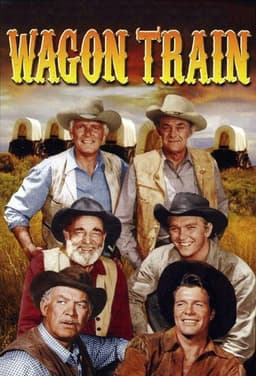
The series initially starred veteran movie supporting actor Ward Bond as the wagon master, later replaced upon his death by John McIntire, and Robert Horton as the scout, subsequently replaced by lookalike Robert Fuller a year after Horton had decided to leave the series. The series was inspired by the 1950 film Wagon Master directed by John Ford and starring Ben Johnson, Harry Carey Jr. and Ward Bond, and harkens back to the early widescreen wagon train epic The Big Trail starring John Wayne and featuring Bond in his first major screen appearance playing a supporting role. Horton's buckskin outfit as the scout in the first season of the television series resembles Wayne's, who also played the wagon train's scout in the earlier film.
TV Show (1957)
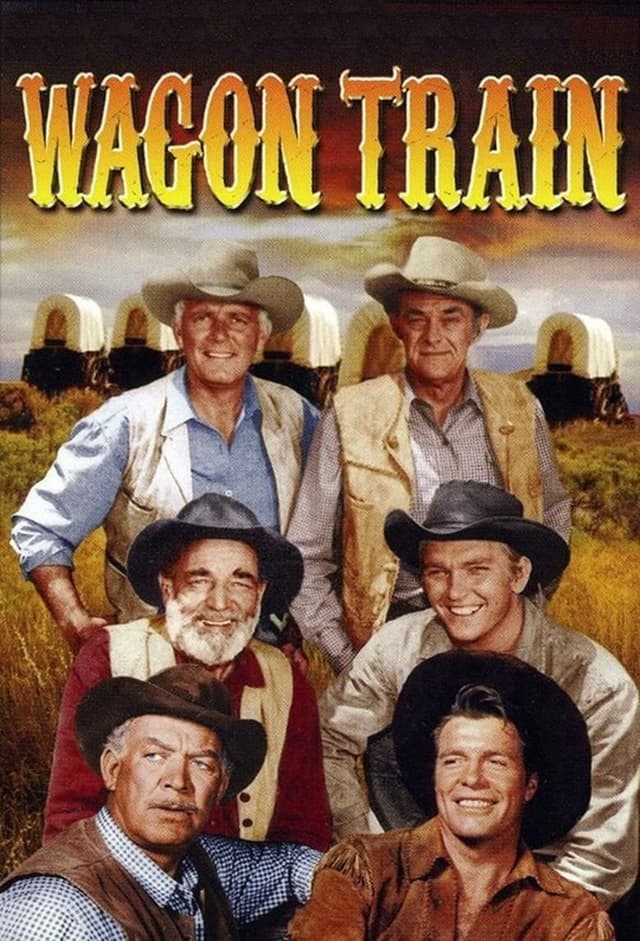
The series initially starred veteran movie supporting actor Ward Bond as the wagon master, later replaced upon his death by John McIntire, and Robert Horton as the scout, subsequently replaced by lookalike Robert Fuller a year after Horton had decided to leave the series. The series was inspired by the 1950 film Wagon Master directed by John Ford and starring Ben Johnson, Harry Carey Jr. and Ward Bond, and harkens back to the early widescreen wagon train epic The Big Trail starring John Wayne and featuring Bond in his first major screen appearance playing a supporting role. Horton's buckskin outfit as the scout in the first season of the television series resembles Wayne's, who also played the wagon train's scout in the earlier film.
What to know before you start
Content details to help you decide what fits your child.
Sex & Nudity
The series focuses on the daily hardships of life on the trail, with virtually no romantic or sexual content beyond very chaste, brief displays of affection.
Violence & Gore
The show features standard Western action, including fistfights, shootouts, and threats from outlaws or hostile environments, but remains non-graphic and stylized.
Profanity
Language is extremely clean, consistent with 1950s television standards, featuring only very mild exclamations like "d*mn" or "h*ll" on rare occasions.
Alcohol, Drugs & Smoking
Characters are frequently seen smoking pipes or cigars, and social drinking in frontier saloons is a common background element of the setting.
Frightening Scenes
There is moderate tension surrounding the dangers of the wilderness, including encounters with predators, storms, and the threat of sickness or injury, but nothing intended to cause lasting fear.
Key Insights
Quick summary and important considerations
This is a story about a group of people traveling across the country together, learning how to take care of one another while facing the challenges of the open road.
Detailed Analysis
In-depth insights for parents and educators
What Parents Need to Know
The series portrays the grit of mid-century Western dramas, focusing on interpersonal conflict and the dangers of the American frontier.
What Kids Can Learn
Viewers observe the impact of decision-making and the value of maintaining social harmony in challenging environments.
Key Topics Discussed
Why Parents Might Like It
It offers a nostalgic look at classic American television storytelling with a focus on character-driven anthology episodes.
Positives & learning
Positive messages
Emphasizes the importance of communal cooperation, perseverance through adversity, and the necessity of strong leadership during difficult journeys.
Role models
The wagon masters are depicted as steady, authoritative figures who prioritize the safety and unity of their travelers over individual desires.
Representation
No diverse representation indicated in available information, reflecting the era of the program's production.
Learning
Provides a window into 19th-century American history and the westward expansion, offering a baseline for discussions on the realities of early American life.
Parent Reviews(0)
Share your experience to help other parents
No reviews yet
Be the first to share your thoughts about this tv show!