Loading your guide…
Tiny Life
Game (2023)
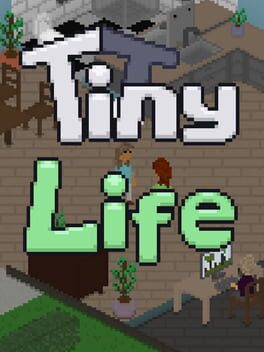
In Tiny Life, you control a set of people that live together in a household. You take care of their daily needs, build their skills, forge new relationships... or just mess up their entire life in whatever way you can think of!
Game (2023)
In Tiny Life, you control a set of people that live together in a household. You take care of their daily needs, build their skills, forge new relationships... or just mess up their entire life in whatever way you can think of!
Would this suit your child?
Tell us their age and what you’d like a heads-up about. We’ll highlight the relevant parts of this guide.
Your preferences highlight the guidance. They never hide warnings or change the ratings.
Content at a glance
More filled segments mean stronger content.
Sex & Nudity
The game allows characters to engage in romantic interactions and form relationships, which may include simulated kissing or intimate social gestures. It does not contain graphic sexual content, though players have agency over social outcomes.
Violence & Gore
Characters may experience mild misfortune or humorous slapstick-style consequences if their needs are neglected. There is no realistic or graphic violence, only minor cartoonish animations depicting frustration or accidental household mishaps.
Profanity
The game uses a fictional, nonsensical language ('Simlish'-style) for character communication. There is no English profanity or inappropriate dialogue present in the game's interface or audio.
Alcohol, Drugs & Smoking
The game focuses on daily life management and household activities, with no depiction of alcohol, tobacco, or illicit substance use.
Frightening Scenes
The gameplay is lighthearted and simulation-based, aimed at building and managing a household. There are no elements designed to frighten or disturb the player.
Key Insights
Quick summary and important considerations
This is a virtual dollhouse where you decide how your characters live, grow, and treat each other.
Detailed Analysis
In-depth insights for parents and educators
What Parents Need to Know
The game offers total control over the lives of virtual characters, including the option to act maliciously or neglect their well-being.
What Kids Can Learn
Players learn to manage daily tasks, balance competing needs, and see the logical results of their decision-making.
Key Topics Discussed
Life simulation
Decision-making
Resource management
Why Parents Might Like It
It provides a creative, open-ended sandbox environment that encourages long-term planning and strategic play.
Positives & learning
More filled segments mean stronger positive content or learning value.
Positive messages
Players have the agency to prioritize care, skill-building, and relationship maintenance, which encourages goal-oriented thinking and responsibility.
Role models
Characters act as blank slates reflecting the player's choices, meaning their morality is entirely dependent on user input rather than scripted guidance.
Representation
No specific demographic or cultural representation indicated in available information.
Learning
Provides foundational experience with systems thinking, time management, and cause-and-effect reasoning.
Looking for something more suitable?
Enjoy the idea of Tiny Life? Explore some related ideas with younger audiences in mind.
Choose your children’s ages to find a closer fit.
Finding related ideas for younger audiences. They’ll appear here automatically.
The connection gives you a starting point. Each guide keeps the full picture of content and age suitability.
Parent Reviews(0)
Share your experience to help other parents
No reviews yet
Be the first to share your thoughts about this game!