The Simpsons
TV Show (1989)
Just a product of society that's lost its good manners.
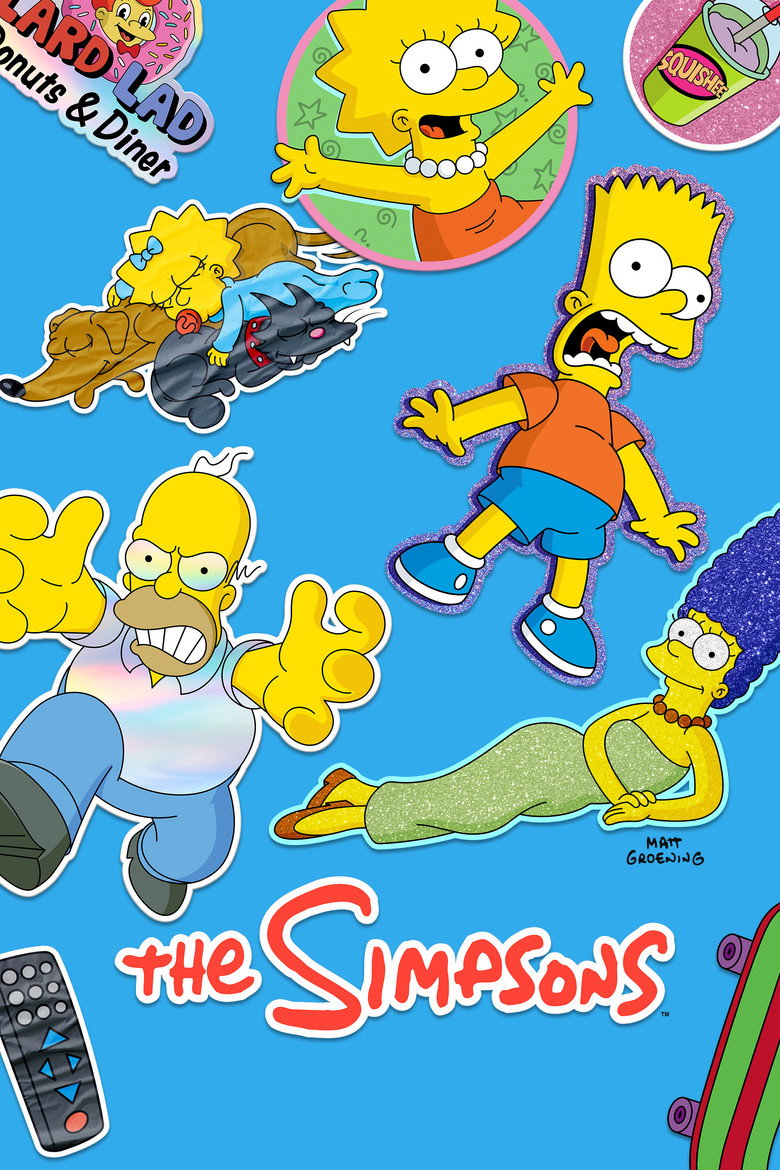
Set in Springfield, the average American town, the show focuses on the antics and everyday adventures of the Simpson family; Homer, Marge, Bart, Lisa and Maggie, as well as a virtual cast of thousands. Since the beginning, the series has been a pop culture icon, attracting hundreds of celebrities to guest star. The show has also made name for itself in its fearless satirical take on politics, media and American life in general.
TV Show (1989)
Just a product of society that's lost its good manners.
Set in Springfield, the average American town, the show focuses on the antics and everyday adventures of the Simpson family; Homer, Marge, Bart, Lisa and Maggie, as well as a virtual cast of thousands. Since the beginning, the series has been a pop culture icon, attracting hundreds of celebrities to guest star. The show has also made name for itself in its fearless satirical take on politics, media and American life in general.
What to know before you start
Content details to help you decide what fits your child.
Sex & Nudity
Features frequent sexual references, mention of extramarital affairs, strip club visits, and animated naked rear ends.
Violence & Gore
Includes slapstick cartoon violence, car crashes, schoolyard bullying, choking, and gruesome Halloween specials with blood and gore.
Profanity
Language includes terms like hell, ass, slut, butt, whore, crap, damn, a non-sexual use of d--k, and transphobic slurs in earlier seasons.
Alcohol, Drugs & Smoking
Characters abuse alcohol with pass-out drunkenness, bus driver Otto is implied to use pot, medical marijuana is featured, psychedelic trips occur, children misuse medication, and tobacco is used.
Frightening Scenes
Checking this category…
Other things to know
Guest stars promote products or media, alongside off-screen tie-ins and merchandise.
Positives & learning
Positive messages
Underlying messages emphasize that family supports you, and that striving for self-control and caring for others is important.
Role models
Homer and Bart show inappropriate behavior while learning lessons, Marge is loving, and Lisa acts as a voice of reason.
Representation
Features diverse guest stars, characters of color, disabled individuals, and different body types, but also faces criticism for using stereotypes like Apu and gender tropes.
Learning
Checking this category…
Parent Reviews(0)
Share your experience to help other parents
No reviews yet
Be the first to share your thoughts about this tv show!