Loading your guide…
The Shawshank Redemption
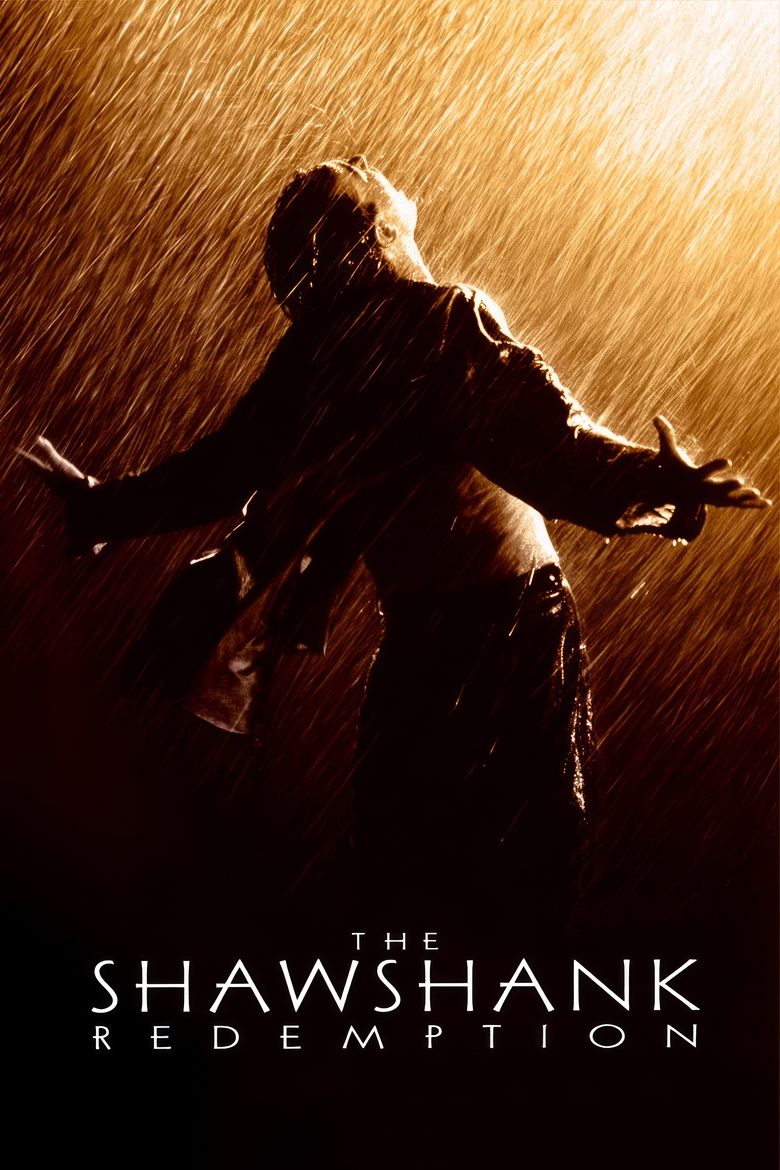
Movie (1994)
Imprisoned in the 1940s for the double murder of his wife and her lover, upstanding banker Andy Dufresne begins a new life at the Shawshank prison, where he puts his accounting skills to work for an amoral warden. During his long stretch in prison, Dufresne comes to be admired by the other inmates -- including an older prisoner named Red -- for his integrity and unquenchable sense of hope.
Would this suit your child?
Tell us their age and what you’d like a heads-up about. We’ll highlight the relevant parts of this guide.
Your preferences highlight the guidance. They never hide warnings or change the ratings.
Content at a glance
More filled segments mean stronger content.
Sex & Nudity
The film contains scenes of sexual assault within the prison environment and brief non-explicit nudity. These themes are central to the harsh reality of prison life depicted in the story.
Violence & Gore
The film features graphic depictions of beatings, prison brutality, and a suicide. Some scenes portray blood and physical injury in a realistic and disturbing manner.
Profanity
The dialogue includes frequent strong language, including 'f*ck' (multiple times), 'sh*t' (frequent), 'b*tch', and various derogatory slurs. These words are used primarily to establish the aggressive and vulgar atmosphere of the prison setting.
Alcohol, Drugs & Smoking
Characters are seen smoking cigarettes throughout the film as part of the 1940s-1960s setting. Occasional social drinking occurs in minor scenes.
Frightening Scenes
The movie maintains a heavy, oppressive tone with intense psychological themes regarding despair and loss of freedom. Certain scenes involve extreme emotional distress and systemic corruption that may be unsettling for younger viewers.
Key Insights
Quick summary and important considerations
This story explores how people find inner strength, kindness, and friendship while facing difficult circumstances, reminding viewers that hope is a valuable tool for survival.
Content Warnings
Sexual assault
Suicide
Graphic violence
Detailed Analysis
In-depth insights for parents and educators
What Parents Need to Know
Expect scenes depicting severe physical abuse, suicide, and sexual violence. The tone is frequently somber, dealing with the psychological toll of life in prison.
What Kids Can Learn
Teenagers can gain insight into the value of education, the necessity of maintaining personal identity under pressure, and the importance of empathy in hostile settings.
Key Topics Discussed
Incarceration
Resilience
Justice
Why Parents Might Like It
It is a masterfully directed character study that provides a profound meditation on the nature of freedom and friendship.
Positives & learning
More filled segments mean stronger positive content or learning value.
Positive messages
The narrative emphasizes the endurance of the human spirit, the importance of maintaining intellectual freedom, and the transformative power of hope even in oppressive environments.
Role models
Andy Dufresne models profound resilience, integrity, and patience, while Red demonstrates deep loyalty, personal accountability, and emotional growth through friendship.
Representation
The film features a diverse prison population and explores bonds across racial lines, though character depth varies based on the primary focus of the two lead protagonists.
Learning
Provides historical perspective on the American mid-20th-century penal system and offers opportunities to discuss justice, civil rights, and social-emotional resilience.
Looking for something more suitable?
Enjoy the idea of The Shawshank Redemption? Explore some related ideas with younger audiences in mind.
Choose your children’s ages to find a closer fit.
Finding related ideas for younger audiences. They’ll appear here automatically.
The connection gives you a starting point. Each guide keeps the full picture of content and age suitability.
Parent Reviews(0)
Share your experience to help other parents
No reviews yet
Be the first to share your thoughts about this movie!