The Blue Planet
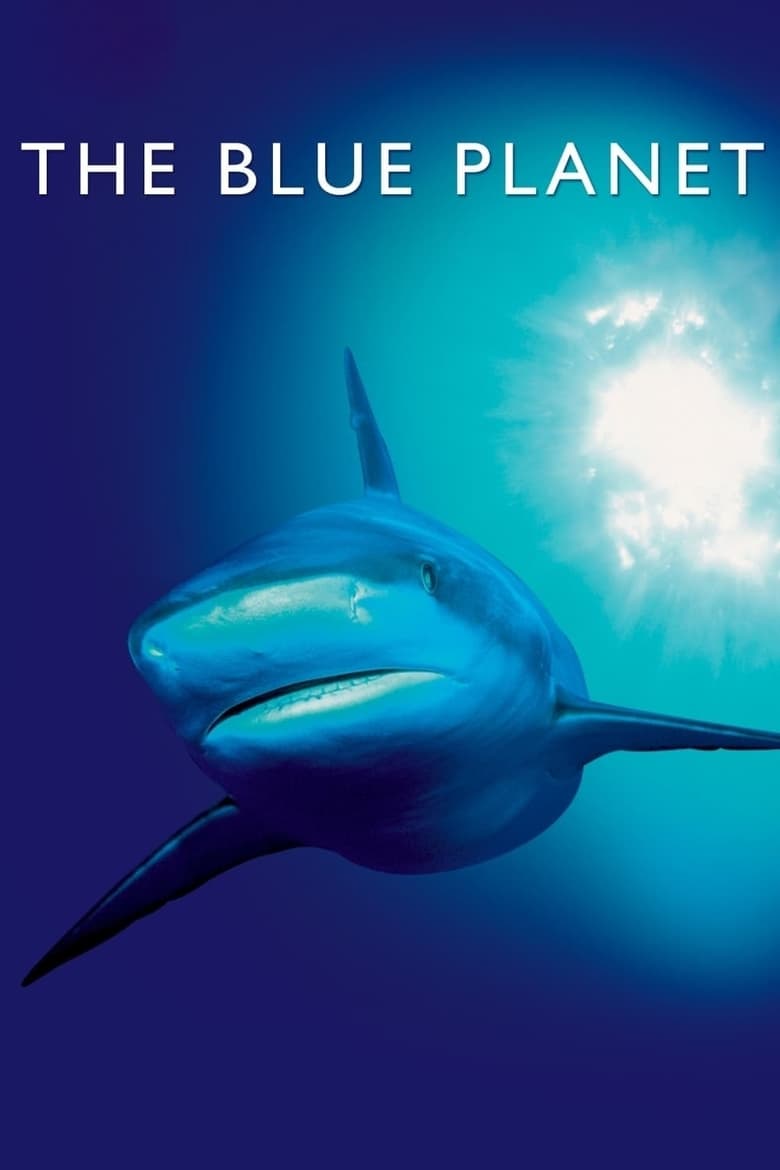
TV Show (2001)
A NATURAL HISTORY OF THE OCEANS.
Sir David Attenborough narrates this critically acclaimed series that dives deep into the marine environment of Planet Earth. Although two-thirds of the world's surface is covered with water, scientists know less about the oceans than they do about the surface of the moon. This limited series travels from various coasts to the poles to examine watery denizens ranging from the gigantic blue whale to microscopic coral polyps.
TV Show (2001)
A NATURAL HISTORY OF THE OCEANS.
Sir David Attenborough narrates this critically acclaimed series that dives deep into the marine environment of Planet Earth. Although two-thirds of the world's surface is covered with water, scientists know less about the oceans than they do about the surface of the moon. This limited series travels from various coasts to the poles to examine watery denizens ranging from the gigantic blue whale to microscopic coral polyps.
What to know before you start
Content details to help you decide what fits your child.
Sex & Nudity
The series focuses entirely on marine biology and nature, with no content involving romance, relationships, or nudity.
Violence & Gore
As a documentary about nature, the series realistically depicts predatory behavior, such as sharks hunting seals and killer whales attacking prey, which may involve blood and intense hunting sequences.
Profanity
The narration is professional and educational, containing no profanity or inappropriate language.
Alcohol, Drugs & Smoking
There are no references to or depictions of alcohol, drugs, or smoking in this nature documentary.
Frightening Scenes
The intensity of the predator-prey struggles can be stressful for very young children, and the vast, dark deep-sea environments may feel slightly intimidating to sensitive viewers.
Key Insights
Quick summary and important considerations
Explore the secret, watery world of oceans and discover the amazing creatures that live beneath the waves.
Content Warnings
Detailed Analysis
In-depth insights for parents and educators
What Parents Need to Know
The series features realistic footage of animal hunting, feeding, and survival, which includes some mild instances of violence inherent to nature documentaries.
What Kids Can Learn
Develops a foundational understanding of underwater ecosystems and the critical importance of protecting our oceans.
Key Topics Discussed
Why Parents Might Like It
The high-quality cinematography and expert narration provide a visually immersive experience that is both calming and intellectually enriching.
Positives & learning
Positive messages
Promotes deep respect for the natural world and the interconnectedness of marine ecosystems. Encourages curiosity about global environmental preservation.
Role models
Sir David Attenborough serves as an articulate, passionate guide whose dedication to exploration and scientific inquiry models intellectual curiosity.
Representation
No human-focused diversity content indicated in available information; the series focuses exclusively on marine biology.
Learning
Offers extensive knowledge of marine biology, oceanography, and the life cycles of diverse aquatic species.
Parent Reviews(0)
Share your experience to help other parents
No reviews yet
Be the first to share your thoughts about this tv show!