The Arab
Movie • 2026
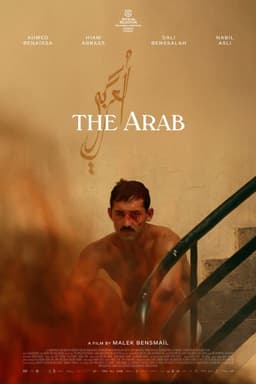
Haroun is an old bachelor who has lived in Oran for several years. A retired civil servant, he leads a reclusive life until the day he meets Kamel in a bar—a journalist to whom he tells an incredible story dating back to 1942. He claims to be the brother of ‘the Arab’ killed in a story told in one of the most famous novels of the 20th century, ‘The Stranger’ by Albert Camus. An Arab with an erased name: Moussa. Through anger, assertions, details, and confidences, Haroun finally convinces the journalist to listen to his story. His confession is a cry of freedom and distress—but above all, a cry of revolt: against an abusive mother, against a country that failed to achieve true independence, against a book, and against a famous French writer.
The Arab
Movie • 2026
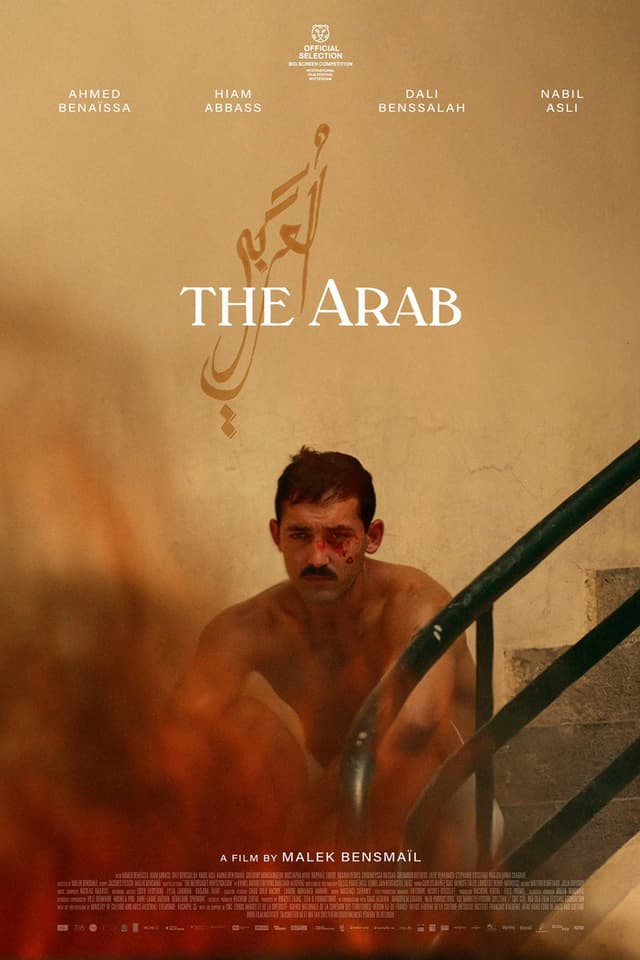
Haroun is an old bachelor who has lived in Oran for several years. A retired civil servant, he leads a reclusive life until the day he meets Kamel in a bar—a journalist to whom he tells an incredible story dating back to 1942. He claims to be the brother of ‘the Arab’ killed in a story told in one of the most famous novels of the 20th century, ‘The Stranger’ by Albert Camus. An Arab with an erased name: Moussa. Through anger, assertions, details, and confidences, Haroun finally convinces the journalist to listen to his story. His confession is a cry of freedom and distress—but above all, a cry of revolt: against an abusive mother, against a country that failed to achieve true independence, against a book, and against a famous French writer.
Bara says...
Ages 15+, but every child is different
The film deals with complex themes of generational trauma, historical injustice, and existential resentment that require a mature level of emotional and cognitive development to process. Its focus on literary analysis, post-colonial socio-political dynamics, and heavy interpersonal conflict makes it unsuitable for younger children.
Content Safety Breakdown
Detailed breakdown of potentially concerning content
Sex & Nudity
The film contains minimal romantic elements, likely restricted to dialogue or brief instances of mature characters discussing past relationships. There are no depictions of nudity or explicit sexual encounters.
Violence & Gore
The narrative centers on the historical killing of a character, which is addressed primarily through memory and confession rather than graphic visual depiction. Some scenes may contain tense physical confrontation or descriptions of historical violence.
Profanity
The dialogue features mild profanity used in the context of the protagonist's anger and frustration, such as occasional uses of s*it and d*mn to express emotional distress.
Alcohol, Drugs & Smoking
As the story begins in a bar setting and features an older protagonist living a reclusive lifestyle, social drinking and smoking are featured as common background elements throughout the film.
Frightening Scenes
The film deals with heavy psychological themes, including grief, long-standing resentment, and political anger. These mature, emotionally intense subjects may be disturbing or difficult for younger viewers to process.
Key Insights
Quick summary and important considerations
This is a thoughtful, mature movie about why it is important to tell stories from your own point of view, especially when history has tried to leave you out.
Content Warnings
Detailed Analysis
In-depth insights for parents and educators
What Parents Need to Know
No sexual content, violence, or substance abuse indicated, but the tone is heavy and emotionally laden. The subject matter is strictly suited for older teens interested in literature, history, and critical thinking.
What Kids Can Learn
Youth can develop critical analysis skills by questioning the bias of canonical texts and learning how historical accounts can suppress the realities of marginalized individuals.
Key Topics Discussed
Why Parents Might Like It
Parents interested in classic literature and historical revisionism will appreciate the intellectual challenge the film poses to Camus's legacy.
Positives & Learning
What makes this content valuable for children
Positive Messages
Encourages the importance of reclaiming personal and cultural narratives stifled by dominant historical records. It promotes the concept of seeking agency and speaking truth to power, even when that journey is painful.
Positive Role Models
Haroun is a deeply flawed and reclusive individual driven by bitterness rather than positive, constructive action. While he possesses the courage to challenge established narratives, his behavior remains rooted in anger and isolation rather than inspiration.
Diverse Representations
Provides an authentic, counter-narrative perspective from the viewpoint of a North African character historically erased by Western literature. It gives deep agency and a powerful voice to a group previously relegated to the background of a classic novel.
Educational Value
Offers profound insights into post-colonial history, the critical interpretation of literature, and the sociopolitical climate of mid-20th-century Algeria.
Parent Reviews(0)
Share your experience to help other parents
No reviews yet
Be the first to share your thoughts about this movie!