Loading your guide…
Shogun: Total War
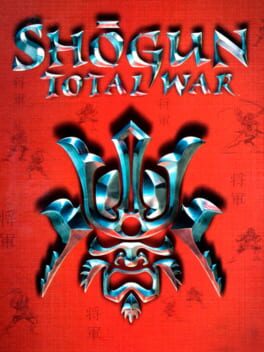
Game (2000)
Set against the backdrop of the Sengoku Jidai (Warring States) period from the 15th to the beginning of the 17th century, Shogun: Total War is a real-time tactics and turn-based strategy game with a strong focus on historical authenticity. Players assume control of a daimyo (leader) of a contemporary Japanese clan and attempt to conquer the nation and claim the title of supreme Shogun, the undisputed military ruler of Japan. The gameplay consist of two parts – a turn-based Risk-style mode on a 2D campaign map of Japan where the player must recruit, manage and move their armies, conduct diplomacy, trade, espionage, sabotage and assassinations. This 2D map however ultimately serves to provide context for the 3D real-time battles that make up the main part of the game and occur whenever your army crosses into enemy territory or two opposing forces meet on the campaign map.
Game (2000)
Set against the backdrop of the Sengoku Jidai (Warring States) period from the 15th to the beginning of the 17th century, Shogun: Total War is a real-time tactics and turn-based strategy game with a strong focus on historical authenticity. Players assume control of a daimyo (leader) of a contemporary Japanese clan and attempt to conquer the nation and claim the title of supreme Shogun, the undisputed military ruler of Japan. The gameplay consist of two parts – a turn-based Risk-style mode on a 2D campaign map of Japan where the player must recruit, manage and move their armies, conduct diplomacy, trade, espionage, sabotage and assassinations. This 2D map however ultimately serves to provide context for the 3D real-time battles that make up the main part of the game and occur whenever your army crosses into enemy territory or two opposing forces meet on the campaign map.
Would this suit your child?
Tell us their age and what you’d like a heads-up about. We’ll highlight the relevant parts of this guide.
Your preferences highlight the guidance. They never hide warnings or change the ratings.
Content at a glance
More filled segments mean stronger content.
Sex & Nudity
There is no romantic or sexual content present in this strategy game.
Violence & Gore
The game focuses on historical warfare involving sword fighting, archery, and cavalry charges. While units are small and combat is not hyper-realistic, there are depictions of soldiers falling and armies clashing.
Profanity
There is no offensive language used in the game.
Alcohol, Drugs & Smoking
There are no depictions or references to alcohol, drugs, or smoking.
Frightening Scenes
The game features intense strategic pressure and the management of assassination and sabotage missions, which creates a tense atmosphere for younger players.
Key Insights
Quick summary and important considerations
You are the leader of a Japanese clan in a complex strategy game where you must grow your territory through smart planning, building armies, and negotiating with your neighbors.
Content Warnings
Simulated warfare
Assassination
Detailed Analysis
In-depth insights for parents and educators
What Parents Need to Know
The gameplay involves 3D real-time battles with soldiers and tactical map management. No explicit gore is highlighted, but the theme centers on warfare and the use of ninjas for assassination and sabotage.
What Kids Can Learn
Players develop analytical thinking and patience while navigating complex historical scenarios that require weighing immediate risks against long-term national goals.
Key Topics Discussed
Military strategy
Feudal Japan
Diplomacy
Why Parents Might Like It
It provides a sophisticated, intellectual challenge that avoids mindless action in favor of depth, historical inquiry, and demanding resource management.
Positives & learning
More filled segments mean stronger positive content or learning value.
Positive messages
Strategic thinking and long-term planning are essential for success. The game emphasizes the necessity of diplomacy alongside military power, teaching that balanced leadership is superior to simple brute force.
Role models
Players inhabit the role of a daimyo, requiring them to demonstrate decisive leadership and responsibility for their subordinates. However, the game encourages Machiavellian tactics like sabotage, which may clash with traditional prosocial modeling.
Representation
The game offers a culturally specific setting focused on the Sengoku Jidai period, providing an immersive look at traditional Japanese social structures, historical military hierarchy, and regional clan culture.
Learning
Players gain insights into 15th-century Japanese history, feudal administrative systems, and tactical logistics. The game exercises high-level decision-making, resource management, and understanding cause-and-effect in geopolitics.
Looking for something more suitable?
Enjoy the idea of Shogun: Total War? Explore some related ideas with younger audiences in mind.
Choose your children’s ages to find a closer fit.
Finding related ideas for younger audiences. They’ll appear here automatically.
The connection gives you a starting point. Each guide keeps the full picture of content and age suitability.
Parent Reviews(0)
Share your experience to help other parents
No reviews yet
Be the first to share your thoughts about this game!