Loading your guide…
Samurai Warrior
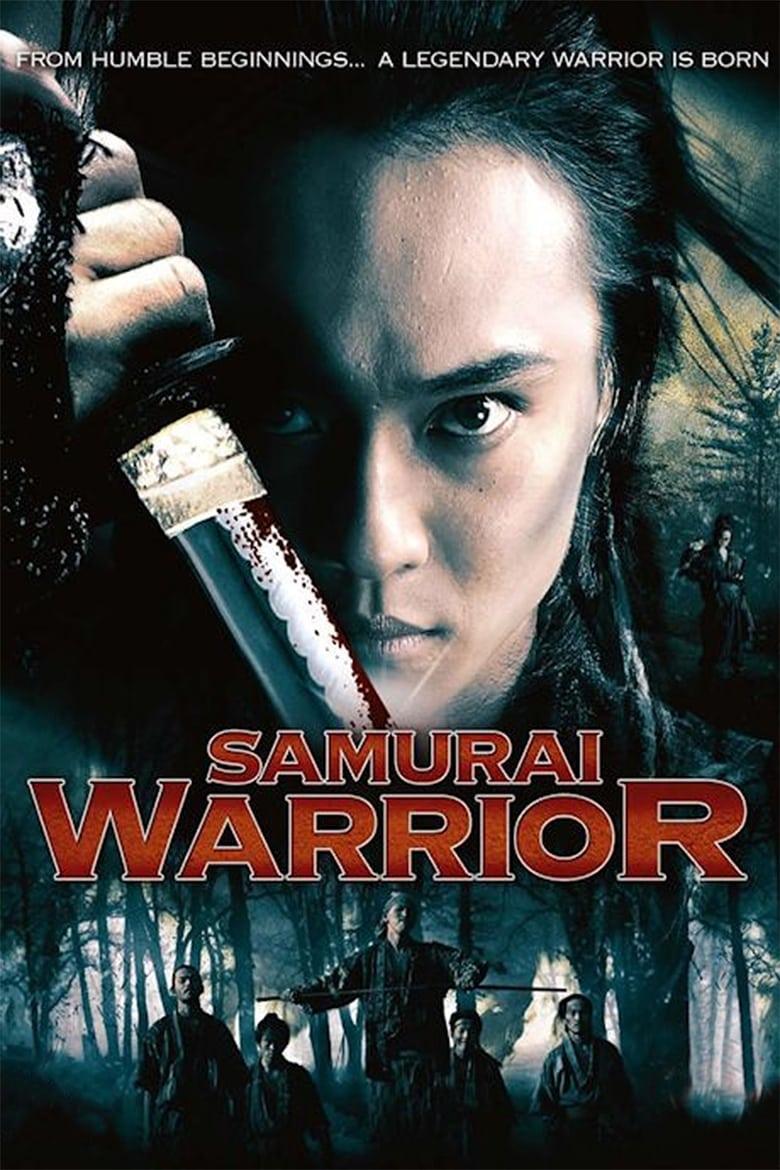
Movie (2010)
Desperate to leave their humble origins behind, farmhands Tatsunori (Yuma Ishigaki), Ken (Suzunosuke) and Yonesuke (Ohkuchi Kengo) assume the identities of Samurai warriors in order to help protect a village from the daily raids of local bandits. But the three soon find themselves out on a limb when real Samurai Jojima (Ichinose Hidekazu) returns from the war and confronts them.
Would this suit your child?
Tell us their age and what you’d like a heads-up about. We’ll highlight the relevant parts of this guide.
Your preferences highlight the guidance. They never hide warnings or change the ratings.
Content at a glance
More filled segments mean stronger content.
Sex & Nudity
The film focuses on action and character conflict, with no focus on romance, intimacy, or suggestive content.
Violence & Gore
As a samurai film, there are moderate scenes of sword-based combat and skirmishes. While there is action and some injury, it avoids overly graphic gore or gratuitous violence.
Profanity
The dialogue remains respectful and free of offensive language throughout the production.
Alcohol, Drugs & Smoking
There are very minor, background instances of social consumption typical of the historical setting, but no focus on substance abuse.
Frightening Scenes
The movie contains scenes of tension related to the bandits' raids and the threat of discovery, which may be moderately intense for younger viewers.
Key Insights
Quick summary and important considerations
A story about three friends who pretend to be heroes to help their village, only to face the reality of what it truly means to be brave.
Content Warnings
Violence
Deception
Detailed Analysis
In-depth insights for parents and educators
What Parents Need to Know
Expect frequent depictions of sword-based combat and the threat of bandit raids; the core conflict involves the consequences of impersonation and the risk of lethal confrontation.
What Kids Can Learn
Viewers explore the distinction between outward appearances and internal character, as well as the societal weight of social expectations.
Key Topics Discussed
Identity
Social hierarchy
Integrity
Why Parents Might Like It
The film offers a classic narrative structure examining the tension between humble origins and the desire for social mobility.
Positives & learning
More filled segments mean stronger positive content or learning value.
Positive messages
The narrative emphasizes the value of community protection and the importance of taking personal responsibility for one's actions, even when those actions stem from deceptive beginnings.
Role models
Characters demonstrate growth by moving from self-serving deception to genuine altruism, modeling the transition from cowardice to courageous accountability.
Representation
No diverse representation beyond the cultural context of historical Japanese society indicated in available information.
Learning
Provides a window into historical Japanese social structures and the cultural archetype of the Samurai.
Looking for something more suitable?
Enjoy the idea of Samurai Warrior? Explore some related ideas with younger audiences in mind.
Choose your children’s ages to find a closer fit.
Finding related ideas for younger audiences. They’ll appear here automatically.
The connection gives you a starting point. Each guide keeps the full picture of content and age suitability.
Parent Reviews(0)
Share your experience to help other parents
No reviews yet
Be the first to share your thoughts about this movie!