Loading your guide…
Nosferatu
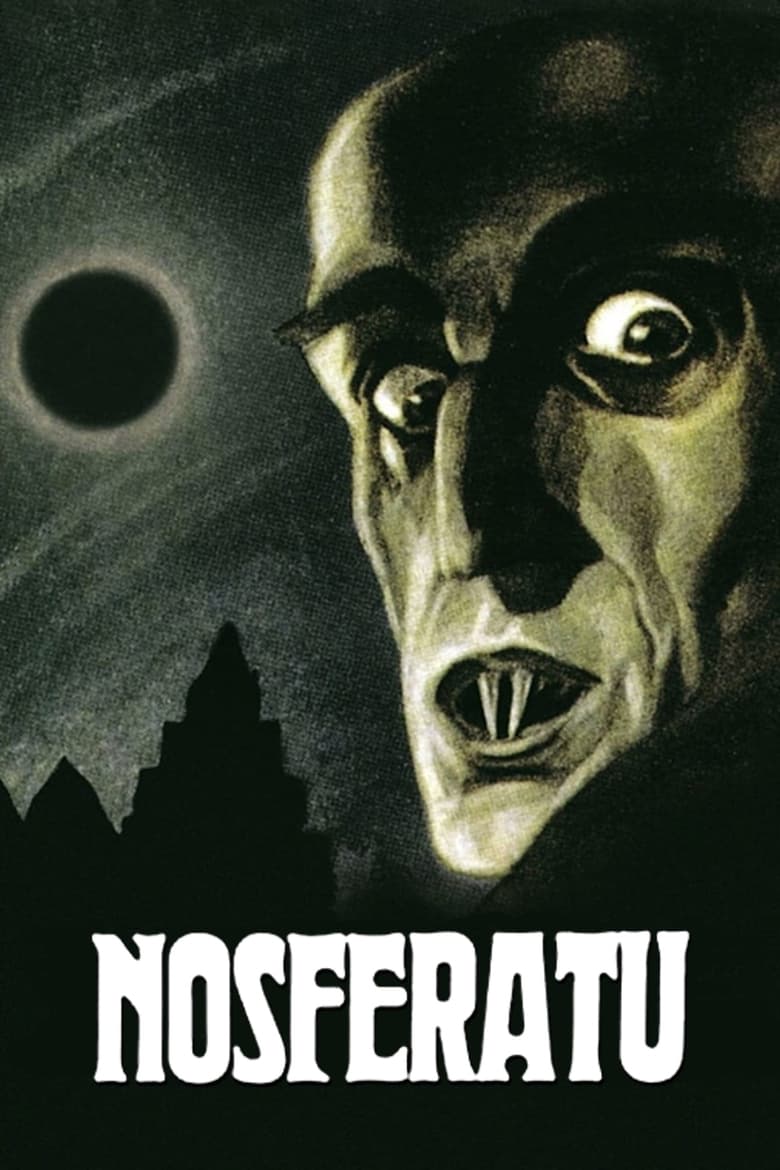
Movie (1922)
The mysterious Count Orlok summons a happily married real estate agent to his castle, located up in the Transylvanian mountains, to finalise a terrifying deal.
Movie (1922)
The mysterious Count Orlok summons a happily married real estate agent to his castle, located up in the Transylvanian mountains, to finalise a terrifying deal.
Would this suit your child?
Tell us their age and what you’d like a heads-up about. We’ll highlight the relevant parts of this guide.
Your preferences highlight the guidance. They never hide warnings or change the ratings.
Content at a glance
More filled segments mean stronger content.
Sex & Nudity
The film contains no sexual content or nudity, focusing entirely on the horror narrative. Any romantic elements are limited to expressions of affection between a married couple.
Violence & Gore
The violence is relatively restrained by modern standards, featuring non-graphic stabbings and deaths related to the vampire's thirst. While intense, there is no excessive blood or realistic gore.
Profanity
As a silent film from 1922, there is no spoken dialogue or audible profanity throughout the movie.
Alcohol, Drugs & Smoking
There is brief and infrequent depiction of social drinking common for the period, but no focus on substance abuse or drug use.
Frightening Scenes
The film is a foundational work of horror that relies on unsettling imagery, shadows, and the grotesque appearance of the vampire to create a deeply eerie atmosphere. It remains highly effective at building psychological dread and suspense.
Key Insights
Quick summary and important considerations
This is a classic, silent black-and-white ghost story that uses shadows and creepy atmosphere to build tension rather than loud noises or gore.
Content Warnings
Disturbing supernatural imagery
Pervasive eerie atmosphere
Detailed Analysis
In-depth insights for parents and educators
What Parents Need to Know
The film relies on visual discomfort, grotesque makeup, and an intense, eerie atmosphere that can feel more haunting than modern jump-scare horror.
What Kids Can Learn
Viewers can observe how artistic choices like lighting, camera angles, and exaggerated acting are used to manipulate human emotions.
Key Topics Discussed
Historical cinema
Folklore and mythology
Visual storytelling
Why Parents Might Like It
It stands as a seminal work of art in film history, offering a masterclass in atmospheric building without the need for dialogue or excessive action.
Positives & learning
More filled segments mean stronger positive content or learning value.
Positive messages
The narrative emphasizes the necessity of courage and self-sacrifice when confronting overwhelming, inexplicable evil.
Role models
Protagonists display commitment to their loved ones and bravery in the face of mortal danger.
Representation
The review says the main characters are all White and that the only central female character, Ellen, is first portrayed as weak and grief-stricken before showing cleverness and bravery. It also notes the vampire's scariness comes largely from his perceived deformity, such as long fingers, pointed ears and a hunched back.
Learning
Provides a primary introduction to German Expressionist cinema, visual storytelling, and the historical roots of vampire folklore.
Looking for something more suitable?
Enjoy the idea of Nosferatu? Explore some related ideas with younger audiences in mind.
Choose your children’s ages to find a closer fit.
Finding related ideas for younger audiences. They’ll appear here automatically.
The connection gives you a starting point. Each guide keeps the full picture of content and age suitability.
Parent Reviews(0)
Share your experience to help other parents
No reviews yet
Be the first to share your thoughts about this movie!