Loading your guide…
Gone Home
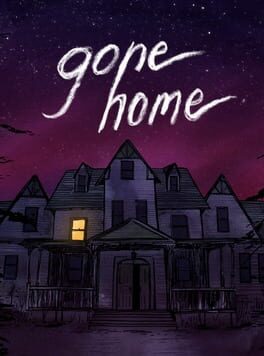
Game (2013)
A first-person exploratory game taking place in 1995 in which Katie, a university student back from Europe, arrives at her family's newly inherited mansion only to find nobody there, with a note from her younger sister Sam suggesting that she's left home. Katie must explore the mansion to put together the stories of where her parents have gone and why Sam has decided to leave.
Would this suit your child?
Tell us their age and what you’d like a heads-up about. We’ll highlight the relevant parts of this guide.
Your preferences highlight the guidance. They never hide warnings or change the ratings.
Content at a glance
More filled segments mean stronger content.
Sex & Nudity
The game features a central romantic storyline involving a same-sex relationship, including notes expressing affection and descriptions of physical intimacy. There is no explicit nudity, but the themes of teen romance are central to the narrative.
Violence & Gore
There is no combat or physical violence in the game. The experience is entirely exploratory and focused on environmental storytelling.
Profanity
The dialogue and written notes occasionally contain mild language, including "sh*t" (a few times) and "f*ck" (rarely, used for emphasis), reflecting the casual tone of teenage characters.
Alcohol, Drugs & Smoking
Characters are depicted in social drinking settings, and some notes reference the parents consuming alcohol, such as wine or beer, which is common for the 1990s domestic setting.
Frightening Scenes
The game is set in a dark, empty mansion during a storm, which creates a significant sense of unease, suspense, and psychological tension despite the lack of actual monsters or combat.
Key Insights
Quick summary and important considerations
This is a quiet, thoughtful mystery where you explore a house to learn about the people who lived there and how they felt about themselves and each other.
Content Warnings
Themes of alienation
Mention of past substance abuse
Parental conflict
Detailed Analysis
In-depth insights for parents and educators
What Parents Need to Know
The game focuses entirely on exploration and reading text documents found in the environment. No combat or fast-paced reflexes are required, but the mature subject matter and somber atmosphere may not suit younger children.
What Kids Can Learn
Develops observational skills and the capacity for identifying subtle narrative clues. Promotes a deeper understanding of human relationships and the impact of domestic life.
Key Topics Discussed
Identity
Family dynamics
Self-discovery
Why Parents Might Like It
The narrative is highly regarded for its grounded, intimate storytelling that avoids common gaming tropes in favor of a poignant, character-driven experience.
Positives & learning
More filled segments mean stronger positive content or learning value.
Positive messages
Encourages empathy and perspective-taking by uncovering the hidden lives and emotional struggles of others. Highlights the importance of individual identity and the courage required to live authentically.
Role models
Characters demonstrate resilience and honesty in navigating difficult personal challenges. Their actions model the process of self-discovery and the importance of integrity over societal expectations.
Representation
Features nuanced and authentic exploration of LGBTQ+ identity and the personal journey of self-acceptance. The narrative treats these experiences with depth, agency, and significant emotional weight.
Learning
Strengthens critical thinking through environment-based storytelling and encourages reflection on social-emotional issues and the 1990s cultural landscape.
Looking for something more suitable?
Enjoy the idea of Gone Home? Explore some related ideas with younger audiences in mind.
Choose your children’s ages to find a closer fit.
Finding related ideas for younger audiences. They’ll appear here automatically.
The connection gives you a starting point. Each guide keeps the full picture of content and age suitability.
Parent Reviews(0)
Share your experience to help other parents
No reviews yet
Be the first to share your thoughts about this game!