Loading your guide…
Chobits
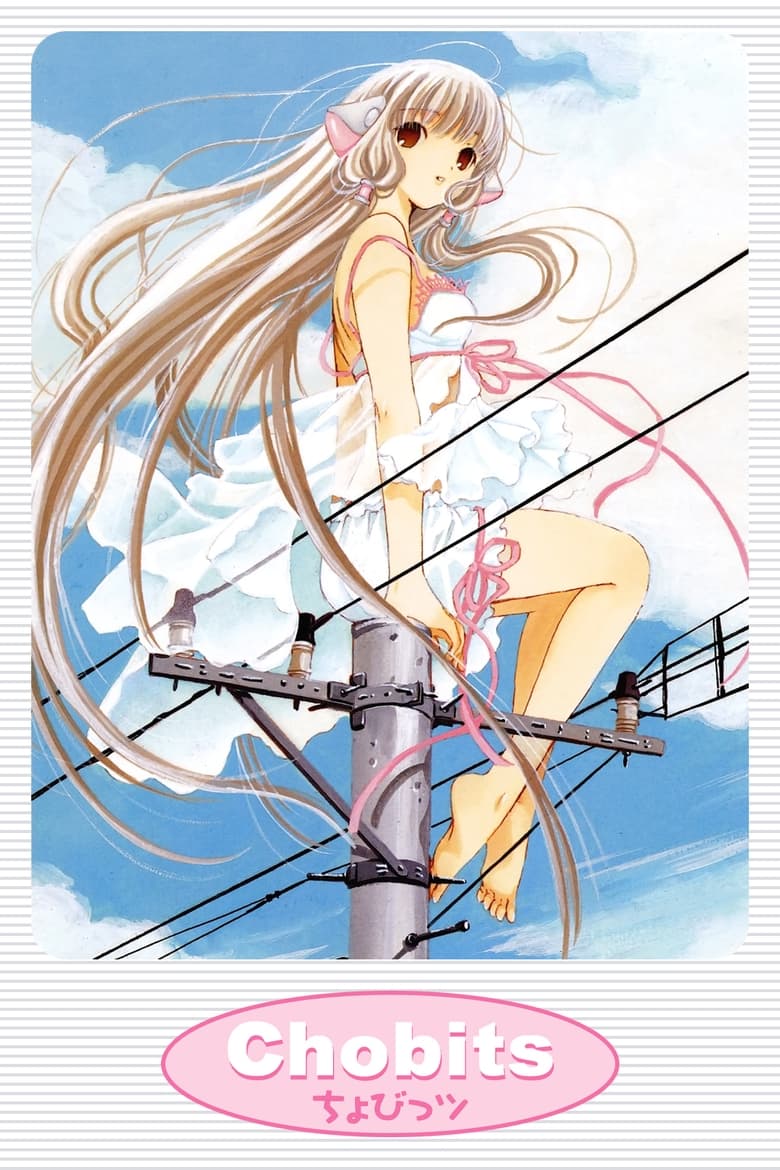
TV Show (2002)
Tokyo is abuzz with persocoms – humanoid computers that are virtually perfect. The socially and technologically inept Hideki is dying to get his hands on one. When he finds Chii abandoned in the trash, she’s cuter than any current model he’s ever seen before. But when he gets her home and turns her on, she has no data and only a single learning program installed. While Hideki puts his whole heart into teaching Chii the ins and outs of humanity, a mystery unfolds as a dark secret within her awakens.
TV Show (2002)
Tokyo is abuzz with persocoms – humanoid computers that are virtually perfect. The socially and technologically inept Hideki is dying to get his hands on one. When he finds Chii abandoned in the trash, she’s cuter than any current model he’s ever seen before. But when he gets her home and turns her on, she has no data and only a single learning program installed. While Hideki puts his whole heart into teaching Chii the ins and outs of humanity, a mystery unfolds as a dark secret within her awakens.
Would this suit your child?
Tell us their age and what you’d like a heads-up about. We’ll highlight the relevant parts of this guide.
Your preferences highlight the guidance. They never hide warnings or change the ratings.
Content at a glance
More filled segments mean stronger content.
Sex & Nudity
The series features significant fan-service elements, including characters in provocative clothing and suggestive situations. There are recurring themes regarding the physical intimacy between humans and humanoid computers that lean into mature territory.
Violence & Gore
Violence is minimal and generally limited to mild, non-graphic scuffles or comedic slapstick typical of the genre. There is no blood or severe physical harm depicted.
Profanity
Language is generally clean, with very infrequent use of mild expletives like "d*mn" used in moments of minor frustration.
Alcohol, Drugs & Smoking
There are occasional, brief background depictions of characters drinking alcohol at social gatherings or cafes. These scenes are minor and not a central focus of the plot.
Frightening Scenes
The series contains some psychological tension and mysterious sequences regarding the protagonist's past and the nature of the humanoid computers. These moments may create a sense of unease but are not intended to be terrifying.
Key Insights
Quick summary and important considerations
This show explores what it means to be human through a story about a boy teaching a robot how to navigate the world and understand feelings.
Content Warnings
Suggestive sexual content
Objectification of women
Detailed Analysis
In-depth insights for parents and educators
What Parents Need to Know
The series features significant fan-service and suggestive content common to the genre, alongside themes of objectification and romantic entanglement between humans and artificial beings.
What Kids Can Learn
Viewers can reflect on the nature of human relationships and how communication and emotional support define our interactions with others.
Key Topics Discussed
Artificial Intelligence
Emotional development
Human-machine ethics
Why Parents Might Like It
The narrative offers a philosophical perspective on the impact of technology on social habits and the definition of humanity.
Positives & learning
More filled segments mean stronger positive content or learning value.
Positive messages
Emphasizes the importance of patience, empathy, and the responsibility inherent in caregiving as the protagonist nurtures a developing consciousness.
Role models
Hideki demonstrates dedication and kindness, though his initial social ineptitude and reliance on technology for companionship provide a mixed model of maturity.
Representation
Checking this category…
Learning
Provides basic prompts for discussion regarding ethics of technology and the definition of consciousness.
Looking for something more suitable?
Enjoy the idea of Chobits? Explore some related ideas with younger audiences in mind.
Choose your children’s ages to find a closer fit.
Finding related ideas for younger audiences. They’ll appear here automatically.
The connection gives you a starting point. Each guide keeps the full picture of content and age suitability.
Parent Reviews(0)
Share your experience to help other parents
No reviews yet
Be the first to share your thoughts about this tv show!