Loading your guide…
Chariots of Fire
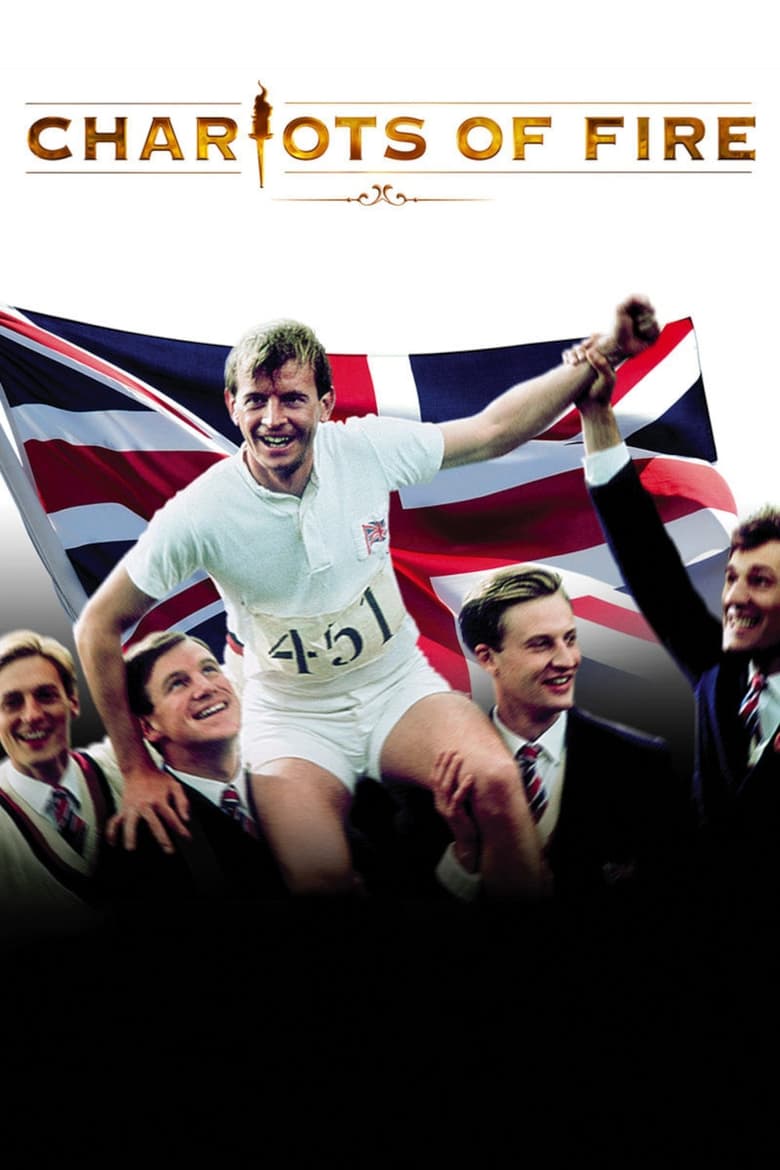
Movie (1981)
In the class-obsessed and religiously divided UK of the early 1920s, two determined young runners train for the 1924 Paris Olympics. Eric Liddell, a devout Christian born to Scottish missionaries in China, sees running as part of his worship of God's glory and refuses to train or compete on the Sabbath. Harold Abrahams overcomes anti-Semitism and class bias, but neglects his beloved sweetheart in his single-minded quest.
Would this suit your child?
Tell us their age and what you’d like a heads-up about. We’ll highlight the relevant parts of this guide.
Your preferences highlight the guidance. They never hide warnings or change the ratings.
Content at a glance
More filled segments mean stronger content.
Sex & Nudity
The film contains mild romantic tension and brief scenes of affection between the protagonists and their love interests. There is no sexual activity or revealing nudity.
Violence & Gore
There is no physical violence or gore in the film, as the primary focus remains on athletic competition and personal integrity. Any physical movement is strictly related to running and training.
Profanity
The dialogue includes infrequent use of mild language, such as 'd*mn' and 'h*ll,' typically used in moments of frustration during training or conversation.
Alcohol, Drugs & Smoking
The film reflects the social norms of the 1920s, featuring occasional scenes of social drinking and characters smoking cigarettes in period-appropriate settings.
Frightening Scenes
There are no scary or frightening sequences, though some scenes convey moderate psychological tension regarding the pressures of competition and societal prejudice.
Key Insights
Quick summary and important considerations
This is a story about finding what you stand for and working hard to be your best self, even when the world around you makes it difficult.
Content Warnings
Instances of ethnic and anti-Semitic bias
Detailed Analysis
In-depth insights for parents and educators
What Parents Need to Know
The film contains depictions of anti-Semitic discrimination and social elitism. There is no significant violence or sexual content, focusing primarily on athletic competition and interpersonal drama.
What Kids Can Learn
Viewers gain perspective on how individual choices can impact history and the importance of advocating for one's beliefs in professional environments.
Key Topics Discussed
Religious freedom
Social class
Sportsmanship
Why Parents Might Like It
The sophisticated exploration of moral dilemmas and the iconic, inspiring musical score create a thought-provoking experience that encourages deep conversation.
Positives & learning
More filled segments mean stronger positive content or learning value.
Positive messages
Emphasizes the power of personal integrity, the importance of staying true to one's values under immense public pressure, and the pursuit of excellence as a form of self-respect.
Role models
Characters exemplify resilience, humility, and the courage to challenge institutional bias, modeling how to balance high-level ambition with ethical consistency.
Representation
Provides a nuanced look at the immigrant experience and the struggles faced by Jewish individuals against entrenched social barriers in 1920s Britain.
Learning
Offers insights into early 20th-century history, the cultural impact of the Olympic movement, and the complex relationship between faith and public life.
Looking for something more suitable?
Enjoy the idea of Chariots of Fire? Explore some related ideas with younger audiences in mind.
Choose your children’s ages to find a closer fit.
Finding related ideas for younger audiences. They’ll appear here automatically.
The connection gives you a starting point. Each guide keeps the full picture of content and age suitability.
Parent Reviews(0)
Share your experience to help other parents
No reviews yet
Be the first to share your thoughts about this movie!